// the above is not my code
Types of Damp in Homes: Rising, Penetrating & Condensation

Types of Damp in Homes: Rising, Penetrating & Condensation

Damp is a common issue in properties across Cheshire, but not all damp problems are the same. Understanding the types of damp found in homes is essential if you want the right solution applied first time. Misidentifying the problem can lead to unnecessary work, avoidable costs, and ongoing damage.

This guide explains the different types of damp, how to recognise them, and when it is best to involve an independent damp surveyor.

Why understanding different types of damp matters

Although damp symptoms can look similar, the underlying causes are often very different. Staining, mould, peeling paint, or damaged plaster may all point to moisture, but treating the wrong type of damp will rarely solve the issue.

Correct identification ensures:

  • The right remedial work is recommended
  • Disruption is kept to a minimum
  • Long-term prevention is prioritised
  • Money is not wasted on ineffective treatments

The three main types of damp affecting homes are rising damp, penetrating damp, and condensation.

Rising damp

What is rising damp?

Rising damp occurs when moisture from the ground travels upwards through walls by capillary action. This usually happens when a damp proof course (DPC) is missing, damaged, or bridged.

Rising damp is most often found in older properties, although it can still occur in newer homes where the DPC has failed or external ground levels have been raised.

Common signs of rising damp

  • Damp patches low down on internal walls
  • Tide marks or staining up to around 1.5 metres high
  • White, powdery salt deposits on plaster or masonry
  • Crumbling or blown plaster near skirting boards
  • Decaying skirting boards or floor timbers

How rising damp is identified

A professional damp survey assesses moisture patterns, wall construction, and the condition of the existing damp proof course. This ensures rising damp is not confused with condensation or penetrating damp, which can show similar symptoms.

What is rising damp?

Penetrating damp

What is penetrating damp?

Penetrating damp occurs when water enters a building through its external fabric. Unlike rising damp, it can appear at any height and is often linked to defects in the structure or building envelope.

This type of damp often worsens after heavy rainfall and may affect isolated areas rather than continuous sections of wall.

Common causes of penetrating damp

  • Damaged or blocked gutters and downpipes
  • Cracked brickwork or deteriorated pointing
  • Defective render or cladding
  • Leaking roof coverings or flashing
  • Faulty window and door seals
  • Cavity wall debris or corroded wall ties

Typical signs of penetrating damp

  • Localised damp patches on walls or ceilings
  • Staining that darkens during wet weather
  • Peeling paint or blistered plaster
  • Mould growth on colder external walls

Why diagnosis is important

Penetrating damp is usually resolved by addressing the external defect rather than treating the internal wall. A survey helps pinpoint the exact entry point of moisture, avoiding unnecessary internal damp proofing work.

Condensation

What is condensation?

Condensation is the most common type of damp found in modern homes. It occurs when warm, moisture-laden air comes into contact with cold surfaces, causing water droplets to form.

Although condensation is often mistaken for rising or penetrating damp, it is usually linked to lifestyle factors, ventilation, and heating patterns.

Where condensation commonly appears

  • Bedrooms
  • Bathrooms
  • Kitchens
  • Corners of rooms
  • Around windows and external walls

Signs of condensation-related damp

  • Black mould growth, especially in corners
  • Water droplets on windows or cold surfaces
  • Damp patches that worsen in winter
  • A musty smell in poorly ventilated rooms
Window and Wall Condensation in Winsford property

Managing condensation effectively

Condensation-related damp prevention focuses on improving ventilation, maintaining consistent heating, and controlling indoor humidity. In some cases, specialist ventilation systems may be recommended following a damp survey.

Why damp types are often confused

Many properties suffer from more than one issue at the same time. For example, condensation may exist alongside penetrating damp, or rising damp may affect lower walls while condensation impacts upper rooms.

This overlap is why relying on visual inspection alone can be misleading. A trained surveyor considers building construction, moisture behaviour, ventilation, and external factors before confirming the type of damp present.


The role of an independent damp surveyor

An independent damp surveyor provides an unbiased assessment of your property. Their role is to identify the true cause of damp, not to assume a solution.

A professional damp survey typically includes:

  • Moisture testing
  • Visual inspection of internal and external elements
  • Assessment of ventilation and heating
  • Identification of any timber decay or infestation
  • Clear explanation of findings and recommendations

This approach ensures that any suggested treatment is appropriate, proportionate, and necessary.

Professional damp surveys in Cheshire

If you are unsure which type of damp is affecting your property, Atlantis Property Preservation Ltd provide professional damp and timber surveys across Cheshire.

Surveys are designed to accurately identify rising damp, penetrating damp, condensation, or a combination of issues. You receive clear advice, detailed reporting, and guidance on next steps – whether that involves damp proofing, ventilation improvements, or simple maintenance.

Atlantis Property Preservation Ltd

When should you book a damp survey?

You should consider arranging a damp survey if:

  • Damp patches persist or spread
  • Mould continues to return
  • You are buying or selling a property
  • A mortgage lender has requested a report
  • You want confirmation before starting damp proofing work

Early diagnosis helps prevent further damage and reduces long-term costs.

Take the next step

Understanding the types of damp in homes is the first step towards protecting your property. If you are concerned about damp or want professional confirmation of the cause, booking a survey is the safest option.

Arrange a damp survey, speak to an independent damp surveyor, or request advice on suitable damp proofing solutions for your Cheshire home today.

Common Causes of Damp in Homes and How to Prevent It

Common Causes of Damp in Homes and How to Prevent It

Damp is one of the most common problems affecting residential properties in Cheshire. It can develop slowly, often hidden behind plaster or floor coverings, before becoming visible and costly to resolve. Understanding the causes of damp and knowing how to prevent dampness puts you in a far stronger position to protect your home.

This guide explains the main causes of damp in houses, how they typically present, and what practical steps you can take to reduce the risk. It also explains when it is time to involve professional damp surveyors.

Why damp occurs in homes

Damp occurs when excess moisture enters or builds up within a property and is unable to escape. This moisture may come from the ground, external walls, internal humidity, or plumbing defects. Older properties across Cheshire are particularly vulnerable due to traditional construction methods, ageing materials, and changes in how homes are heated and ventilated.

Identifying the type of damp is critical. Treatments that work for one cause may be ineffective for another, which is why professional diagnosis is often essential.

Rising damp – causes and prevention

Causes of rising damp

Rising damp occurs when moisture from the ground travels upwards through walls by capillary action. This usually happens when a damp proof course (DPC) is missing, damaged, or bridged.

Common causes of rising damp include:

  • Older properties built before modern damp proof courses were standard
  • A failed or deteriorated DPC
  • External ground levels raised above the DPC
  • Driveways, patios, or flower beds bridging the damp proof course

Typical signs include low-level damp patches, crumbling plaster, salt deposits, and visible tide marks.

Rising Damp Diagram

How to prevent rising damp

Preventing rising damp involves ensuring that a functioning damp proof barrier is present and effective.


  • Maintain correct ground levels: External ground should sit at least 150 mm below the internal floor and DPC.
  • Avoid bridging the DPC: Decking, render, or insulation should not cover the damp proof course.
  • Professional assessment: If rising damp is suspected, a damp proof survey can confirm the cause and whether remedial treatment is required.

Penetrating damp – causes and prevention

Causes of dampness in walls

Penetrating damp occurs when water enters through the external fabric of a building. Unlike rising damp, it can appear at any height and is often linked to building defects.

Common causes of dampness in walls include:

  • Defective guttering or downpipes
  • Cracked or porous brickwork
  • Failed pointing or render
  • Leaking roof coverings or flashing
  • Defective window and door seals
  • Cavity wall debris or failed wall ties

Penetrating damp often worsens after heavy rain and may cause localised damp patches on internal walls or ceilings.

How to prevent penetrating damp

  • Regular maintenance: Keep gutters, downpipes, and roof coverings in good condition.
  • Repair external defects: Address damaged pointing, cracked bricks, and failed seals promptly.
  • Professional inspection: A damp survey can trace the exact entry point of moisture, preventing unnecessary internal treatments.

Condensation – the most common cause of damp

Why condensation occurs

Condensation is caused by warm, moisture-laden air meeting colder surfaces. It is the most frequent cause of damp in modern homes and is often mistaken for rising or penetrating damp.

Common contributors include:

  • Cooking, bathing, and drying clothes indoors
  • Poor ventilation
  • Inconsistent heating
  • Cold external walls and windows

Condensation often leads to mould growth, particularly in bedrooms, bathrooms, and kitchens.

Window with condensation left open

How to prevent damp caused by condensation

Effective damp prevention focuses on managing moisture and airflow.

  • Improve ventilation: Use extractor fans in kitchens and bathrooms.
  • Maintain steady heating: Avoid large temperature fluctuations.
  • Reduce moisture production: Cover pans when cooking and avoid drying clothes indoors.
  • Professional advice: A damp survey can confirm whether mould is condensation-related or linked to another damp issue.

Plumbing leaks and internal moisture sources

Not all damp is caused by external factors. Leaking pipes, faulty seals, or overflowing appliances can introduce moisture into walls and floors.

Even small leaks can cause significant damage over time if left undetected. If damp patches appear suddenly or worsen without weather changes, plumbing should be checked as part of a wider investigation.


Why correct diagnosis matters

Different damp problems can produce similar symptoms. Treating the wrong cause can be expensive and ineffective, often masking the issue rather than resolving it.

This is why engaging a qualified damp surveyor is so important. A professional survey identifies the exact cause of dampness and ensures that any recommended solution is proportionate and appropriate.

Professional damp surveys and prevention in Cheshire

If you are unsure about the cause of damp in your property, Atlantis Property Preservation Ltd provide professional damp surveys and damp proofing services across Cheshire.

Surveys focus on clear diagnosis, honest advice, and long-term prevention rather than unnecessary treatments. Whether the issue is rising damp, penetrating damp, condensation, or a combination of factors, a detailed survey gives you the clarity needed to protect your home.

Atlantis Property Preservation Ltd

When to seek professional help

You should consider booking a damp survey if:

  • Damp patches persist or spread
  • Mould keeps returning despite ventilation improvements
  • You are buying or selling a property
  • Structural timbers show signs of decay
  • You want confirmation before committing to damp proofing work

Early action can prevent more serious structural damage and reduce long-term costs.

Take the next step

If you are concerned about the causes of damp in your home or want practical advice on how to prevent damp, speaking to a qualified specialist is the safest next step.

Arrange a professional damp survey, request expert guidance on damp prevention, or discuss suitable damp proofing options to keep your Cheshire home dry and protected.

How to Spot Early Signs of Damp in Your Home

How to Spot Early Signs of Damp in Your Home

Damp problems rarely appear overnight. In most homes, the warning signs develop slowly and are often mistaken for cosmetic defects or everyday condensation. Knowing how to recognise the early signs of damp can help you act before it leads to costly repairs, damaged timbers, or health concerns.

This guide explains the most common signs of dampness in a house, what they usually indicate, and when it is time to speak to a professional damp and mould surveyor in Cheshire.

Why early detection of damp matters

When damp is left untreated, moisture can continue to spread through walls, floors, and structural timbers. Over time, this can weaken plaster, rot floor joists, attract wood-boring insects, and create conditions where mould thrives.

Spotting damp early gives you more control. Treatment is often simpler, less disruptive, and more cost-effective when the problem is identified at an early stage rather than after structural damage has occurred.

Common early signs of damp inside your home

Damp spots on walls

Localised visible damp spots or decorative spoiling on internal walls are one of the clearest early indicators. These patches may feel cold or appear darker than the surrounding area.
Damp patches lower down on the walls can point towards rising damp, often characterised by the telltale horizontal tidal mark.

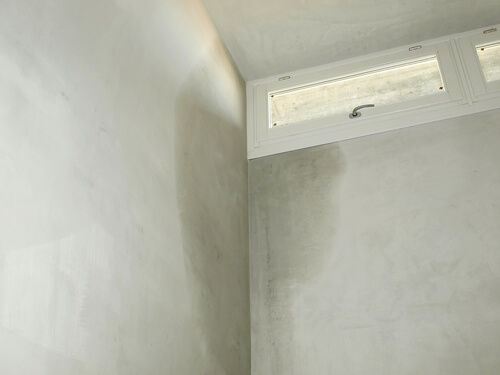
Patches higher up the wall may suggest a penetrating damp issue and in many cases, they worsen after heavy rainfall.

Damp patches with accompanying mould growth are often caused by a condensation issue, particularly during the colder months.

Wall showing penetrating damp

Peeling paint or wallpaper

Paint that bubbles, flakes, or peels away from walls often indicates moisture behind the surface. Wallpaper may lift at the seams or feel loose to the touch. These signs are frequently dismissed as poor decoration but are often caused by damp conditions beneath.


Tide marks and salt deposits

One of the most recognisable signs of rising damp is a visible tide mark on walls, usually no higher than around 1.5 metres from floor level. You may also notice white, powdery deposits on plaster or masonry. These salts are carried up from the ground as moisture rises through the wall.


Musty smells

A persistent musty or earthy smell is often an early warning sign of damp. Damp conditions can be ideal for mould and mildew growth, releasing spores and gases into the atmosphere, which create the characteristic odours. Even when there are no obvious visual clues, odours can indicate moisture trapped within walls, floors, or concealed timbers.

Signs of damp in specific areas of the property

Mould on walls in bedrooms

Black mould on bedroom walls or ceilings is commonly linked to condensation. External bedrooms walls are particularly vulnerable due to excess moisture released by overnight breathing, temperature changes and limited ventilation. While mould can sometimes be managed with improved airflow, recurring growth may indicate an underlying damp issue that needs further investigation.

Having condensation issues in Cheshire? Let Atlantis solve them for you

Signs of damp on external walls

Externally, damp-related problems can include crumbling mortar, damaged brick faces, substandard chimney flashing, or failed guttering . These defects allow rainwater to penetrate the structure, leading to penetrating damp inside the property. Penetrating damp is most common in older properties, where a wall cavity is not present or in a newer property where the cavity has been infilled.

Signs of damp in a concrete floor

Dampness in a concrete floor often shows as dark patches, lifting floor coverings, or a cold, clammy feel underfoot. This can be caused by a failed or missing damp proof membrane, allowing moisture to rise from the ground.

Early signs of rising damp to look out for

Rising damp is caused by moisture travelling upwards from the ground through masonry. Early signs include:


  • Low-level wall staining: Discolouration or damp patches near skirting boards.
  • Crumbling plaster: Plaster becoming soft, powdery, or damaged at the base of walls.
  • Salt residue: White deposits appearing on walls or floors.
  • Deteriorating skirting boards: Timber skirtings becoming warped, rotten, or loose.
    If you notice several of these signs together, it is important to arrange a professional assessment.

When to book a damp and mould surveyor

If damp signs persist, worsen, or appear in multiple areas of your home, a professional survey is the safest next step. A qualified surveyor can determine whether the issue is rising damp, penetrating damp, condensation, or a combination of factors.

A detailed damp survey provides clarity. It identifies the true cause of the problem and prevents unnecessary or inappropriate treatments that may only mask the symptoms.

Professional damp surveys in Cheshire

If you are unsure about the signs of damp in your property, Atlantis Property Preservation Ltd provide professional damp and timber surveys across Cheshire and surrounding areas. Surveys focus on clear diagnosis, practical advice, and long-term solutions rather than assumptions.

Atlantis Property Preservation Ltd

Take the next step

If you have noticed early signs of damp in your home, acting now can save time, money, and disruption later.

Book your damp survey, speak to a qualified surveyor, or request a fixed-price estimate to understand exactly what is affecting your property and how it can be resolved.

B is for… Builders Beware

B is for… Builders Beware

In this episode of The A-Z of Damp from Atlantis Property Preservation, B is for…..Builders Beware.

Our Property Survey

This blog shows why you need a Specialist Damp Expert. Atlantis Damp Proofing recently sent our expert surveyor to survey a local property near Knutsford, Cheshire. The property was a beautifully renovated cottage, which had obviously had a lot of investment put into it. Unfortunately, there were signs of decorative spoiling on the walls, suggesting to us that a damp issue was present. (more…)

G is for… Garden in your Gutter

G is for… Garden in your Gutter

G is for….. Garden in your Gutter (causing internal damp)

In this episode of The A-Z of Damp from Atlantis Property Preservation . G is for…… Gardens in your Gutter (causing internal damp). 

We recently visited a property in Northwich, Cheshire to survey for damp detected on walls internally. A young family had been quoted over £8,000.00 to remedy a reported rising damp problem in their home. They felt this quote was too high and as such were getting some comparisons. One of their friends recommended speaking to us to get a reliable, honest advice from a CSRT expert.

What did our Damp expert see?

They were right to get a second opinion. There was no rising damp. Using a surface moisture meter, it was identified that there were no readings at skirting board height, or up to a meter high (which would be typical of rising damp). There were, however, high moisture readings. These were in the corners of the rooms at both the front and back elevations on the ground and first floor at ceiling height. An external inspection revealed that the gutters were severely blocked with debris. There was green staining and algae on the wall next to the downspout. This fault corresponded exactly to the dampness that was detected internally.

Why does maintaining gutters and downspouts prevent damp?

Furthermore, a blocked gutter can cause damage to your downspouts and water to build up and enter the property. The specialist term for this Penetrating Damp. If not repaired, it could also lead to roofing problems, which can,  lead to you having damp issues internally. As with any damp issue in your home, this could result in thousands of pounds worth of repairs as if you leave it unchecked. Wood rot in your structural timbers can occur.

Gutter and downspout blockages will always happen in your property, sometimes more regularly if your home is surrounded by trees. If you included clearing the gutters in your annual home maintenance plan it will never become a significant issue. As with all types of damp, if you can prevent penetrating damp through water penetration due to leaking gutters is so much more effective than treating it.

To do their job, your gutters and downspouts must be clear of leaves and debris. If they aren’t, your drain outlets will dam up and rainwater will fill the gutters. Your gutters will then overflow, and eventually pull the gutters loose. During a rainstorm, gutters route runoff from a very large surface—a home’s roof—to where it can drain away from your house. By doing so, they protect walls, windows, doors, and foundations from water damage and help prevent flooding in basements. Therefore, if your gutters are blocked, they will fail to do the job that they were intended for – directing rain water away from your house and into your drains.

Can I clean out gutters, to help prevent damp, myself?

Depending on how hard your gutters are to reach, you can now contact a company to complete this task for you. If you prefer, and it is safe to do so, you can do it yourself. Therefore, to clean out your gutters you will need: a trowel, ladder, buckets, garden hose, gutter cleaning attachment and gutter sealant. Next you could watch one of the many YouTube videos (try https://www.youtube.com/watch?v=-zFoynqYkCM) on this subject that you could check out for more information on a DIY job.

What should you do next?

You should have a chat with a family run business to get to the root cause of the dampness in your home. We feel confident that we can help you by carrying out a survey of your property. Simply contact us at Atlantis Property Preservation for our expert opinion to ensure accurate diagnosis and solutions to your property problem.

H is for….. Hygroscopic Salts and Replastering a Damp Wall

H is for….. Hygroscopic Salts and Replastering a Damp Wall

The A-Z of Damp & Timber from Atlantis Property Preservation – H is for Hygroscopic Salts

In this episode of The A-Z of Damp from Atlantis Property Preservation , H is for…… Hygroscopic Salts and re plastering a damp wall.

What are Hygroscopic Salts?

When dampness has been rising from in the wall in your property for some time, the soluble salts (mainly Chloride and Nitrates) become concentrated where the water evaporates from the wall. These deposits of salts are Hygroscopic. This means they attract the everyday moisture found in your home. This ‘dampness’ is not caused by water rising up the capillaries of the building materials. It is due to the dampness in your walls evaporating to the surface and leaving the tell-tale tide mark.

(more…)

Atlantis Property Preservation
Privacy Overview

This website uses cookies so that we can provide you with the best user experience possible. Cookie information is stored in your browser and performs functions such as recognising you when you return to our website and helping our team to understand which sections of the website you find most interesting and useful.